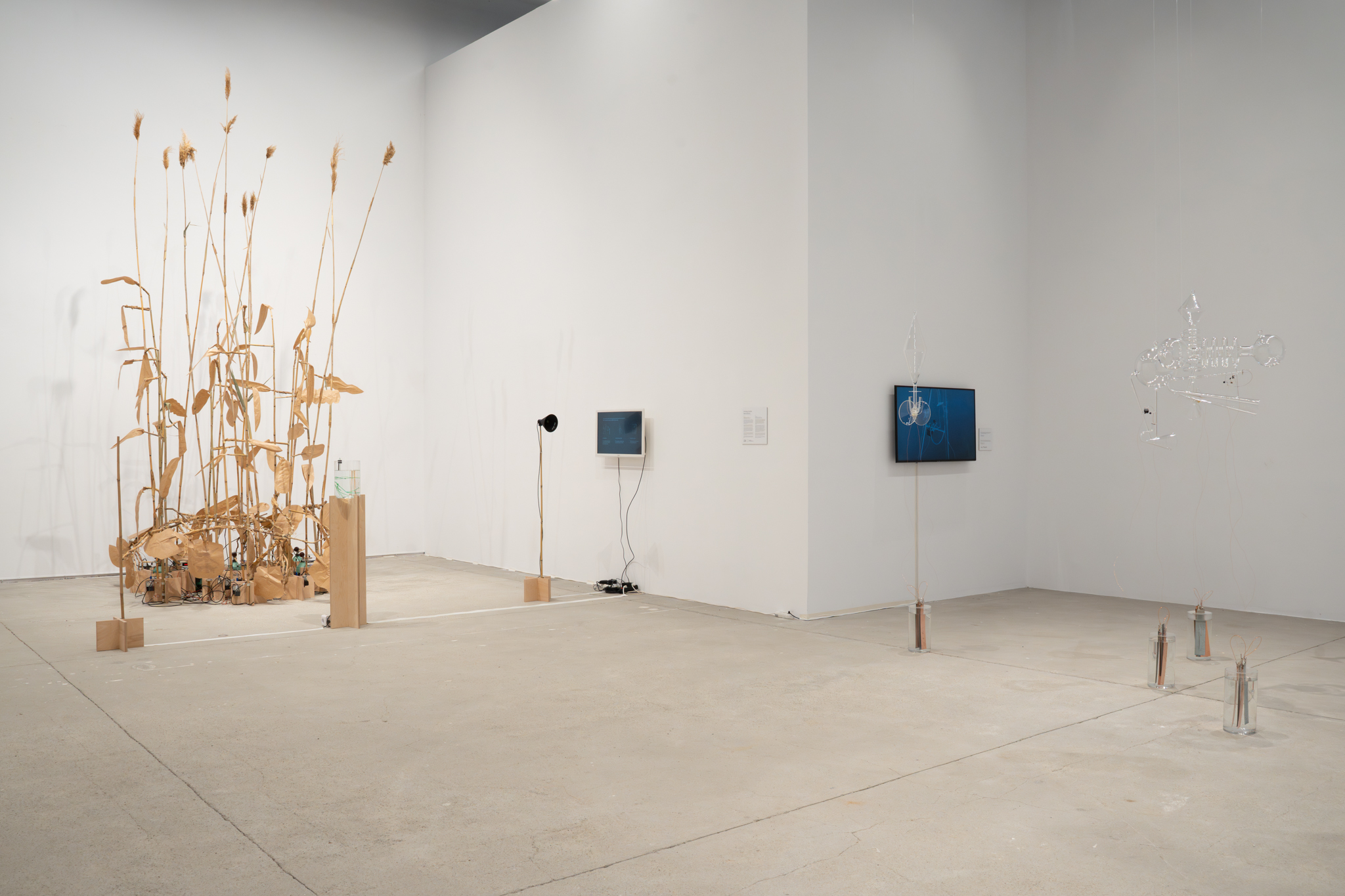
Hidrotopias, a project that invites the public to discover the Danube Delta from lesser-explored perspectives. Based on field research conducted in the town of Sfântu Gheorghe, the exhibition brings together works by artists Floriama Candea, Pepa Ivanova, and Ioana Vreme Moser, developed in collaboration with researchers Ștefan Constantinescu and Răzvan Crimschi.
Through interactive installations, sound sculptures, video, and artistic research, Hidrotopias explores the connections between water, communities, other forms of life, and the infrastructures that shape this territory. The project is based on the idea that the Danube Delta cannot be understood through a single narrative, but rather through a multitude of perspectives that reveal the fragility, adaptability, and regenerative capacity of ecosystems.
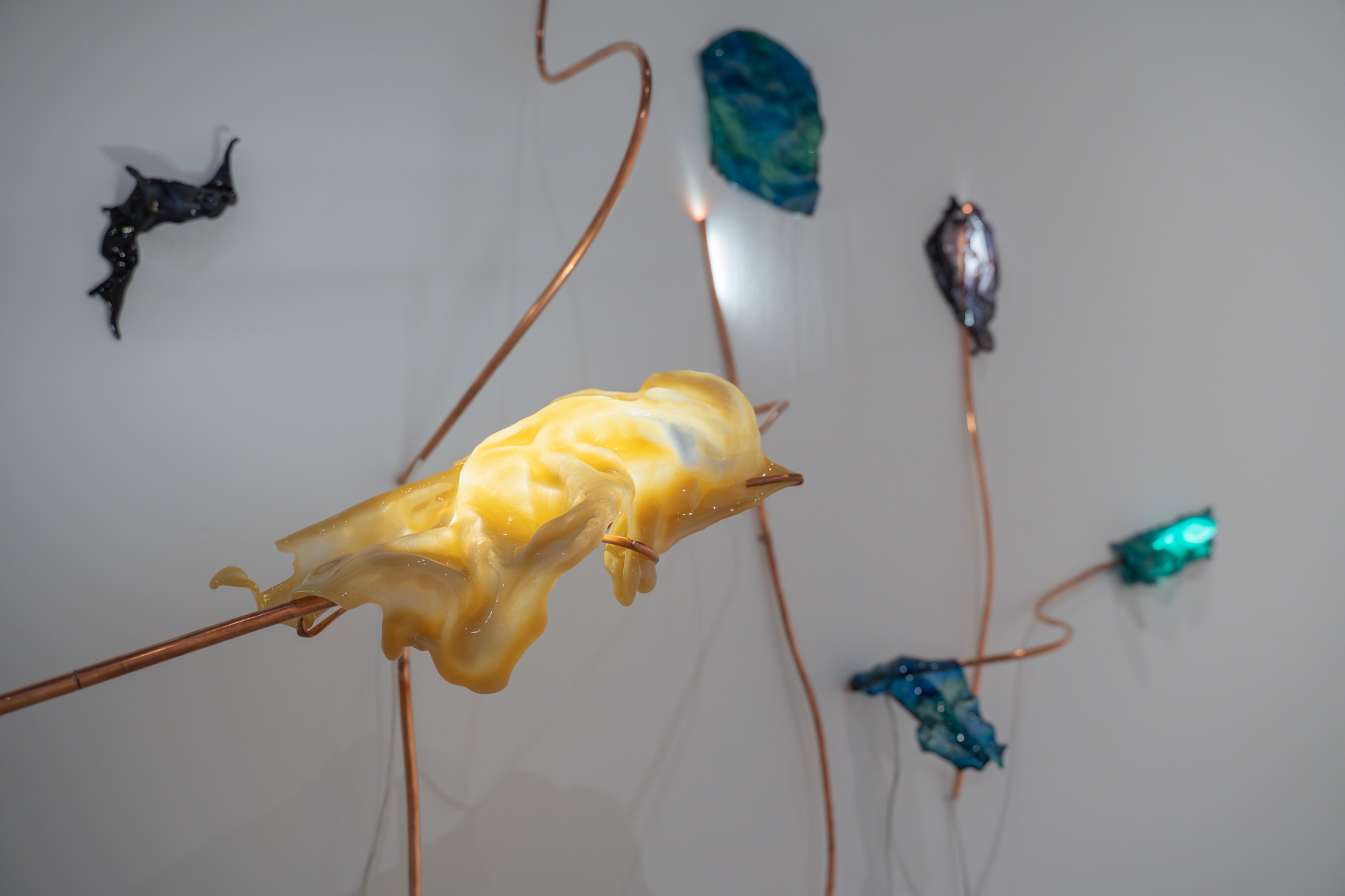
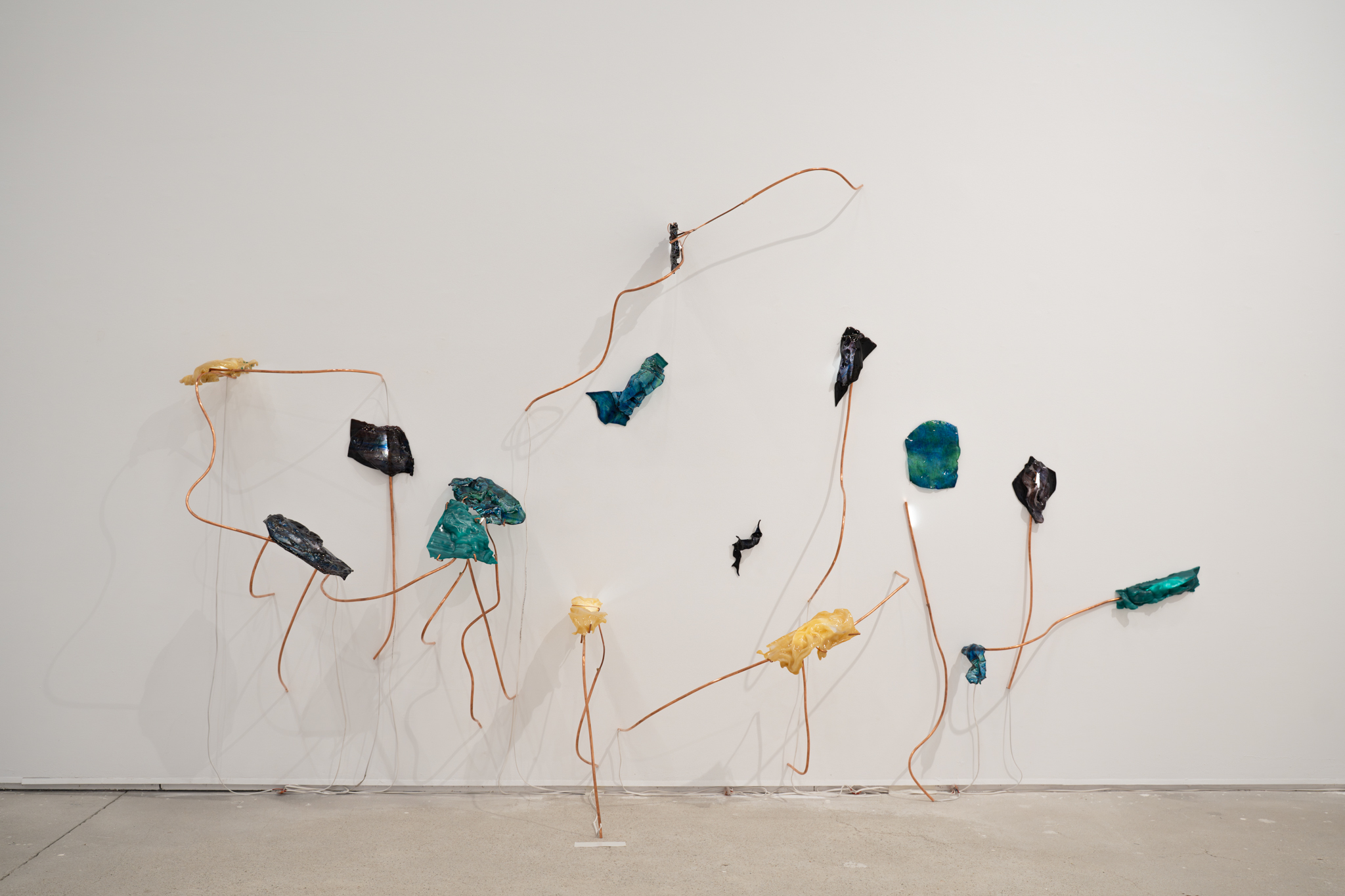
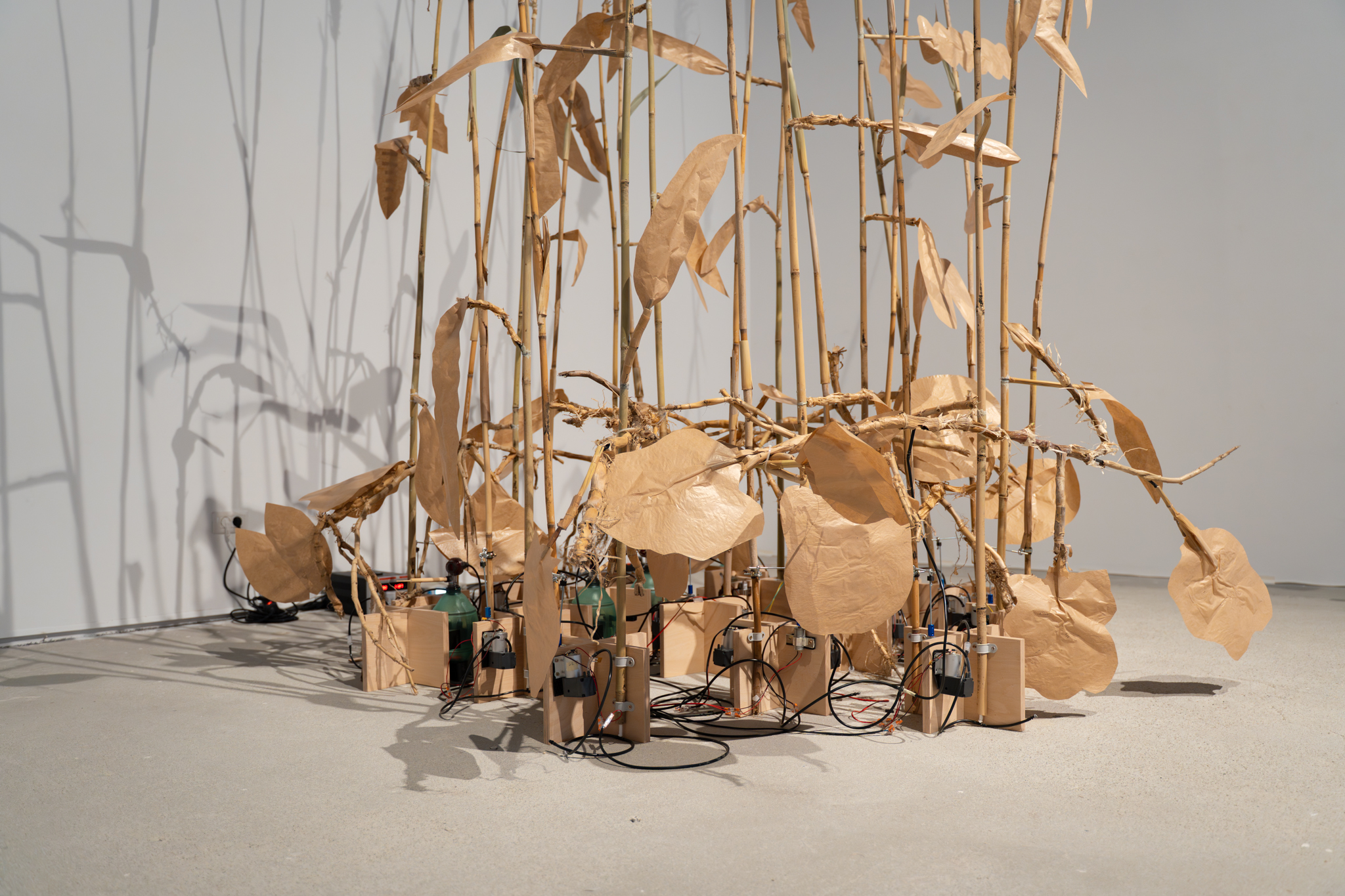
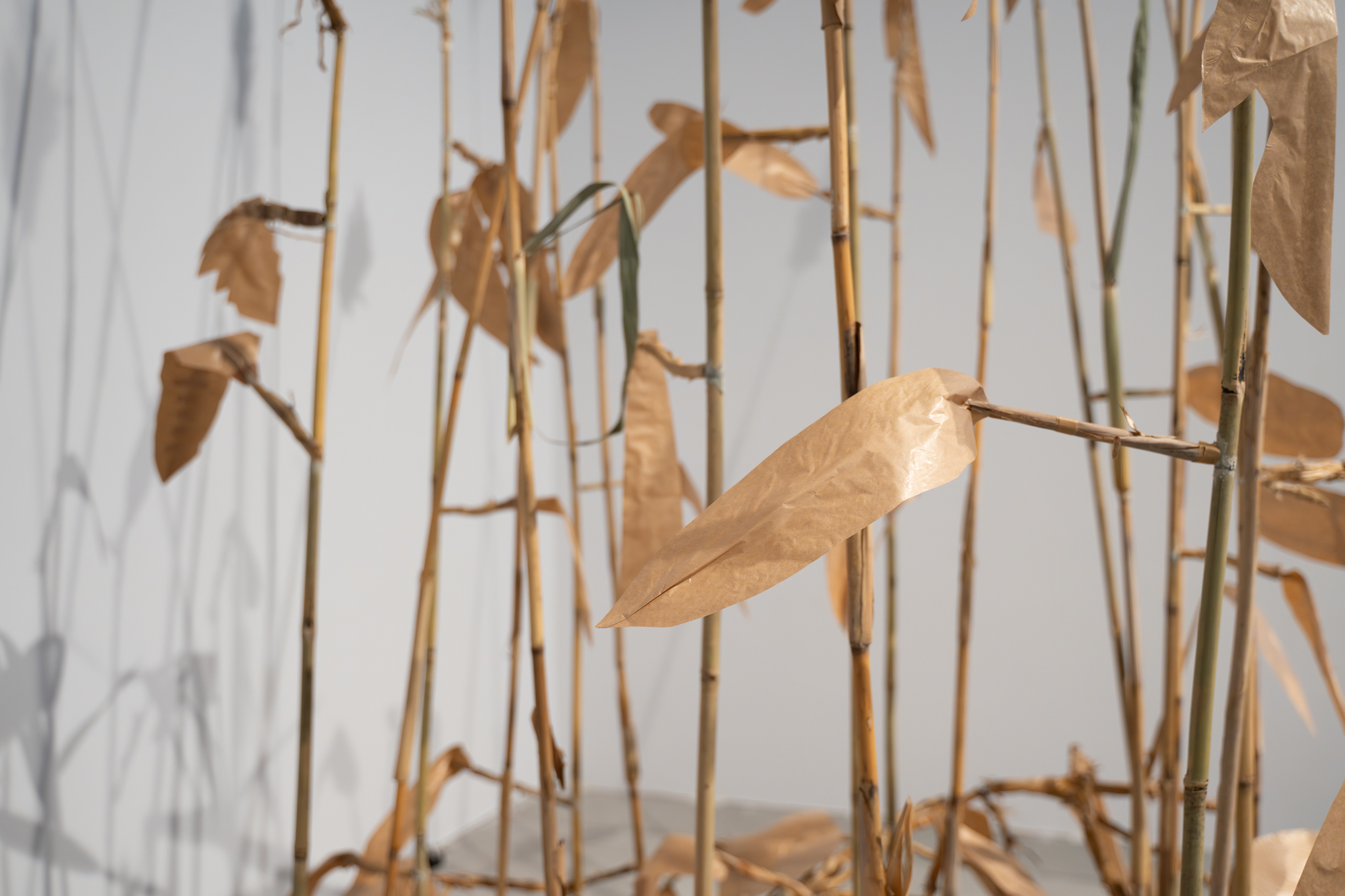
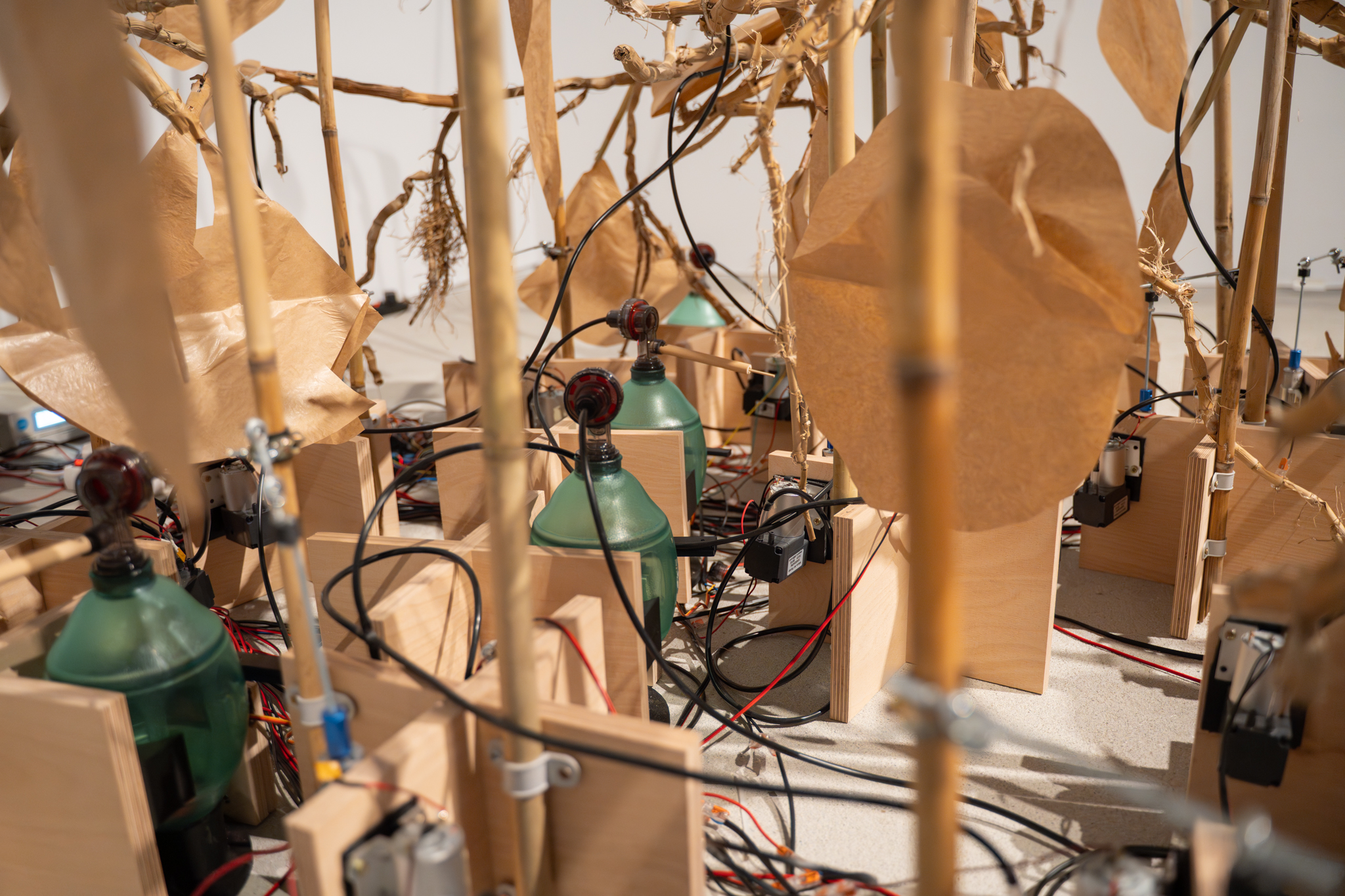
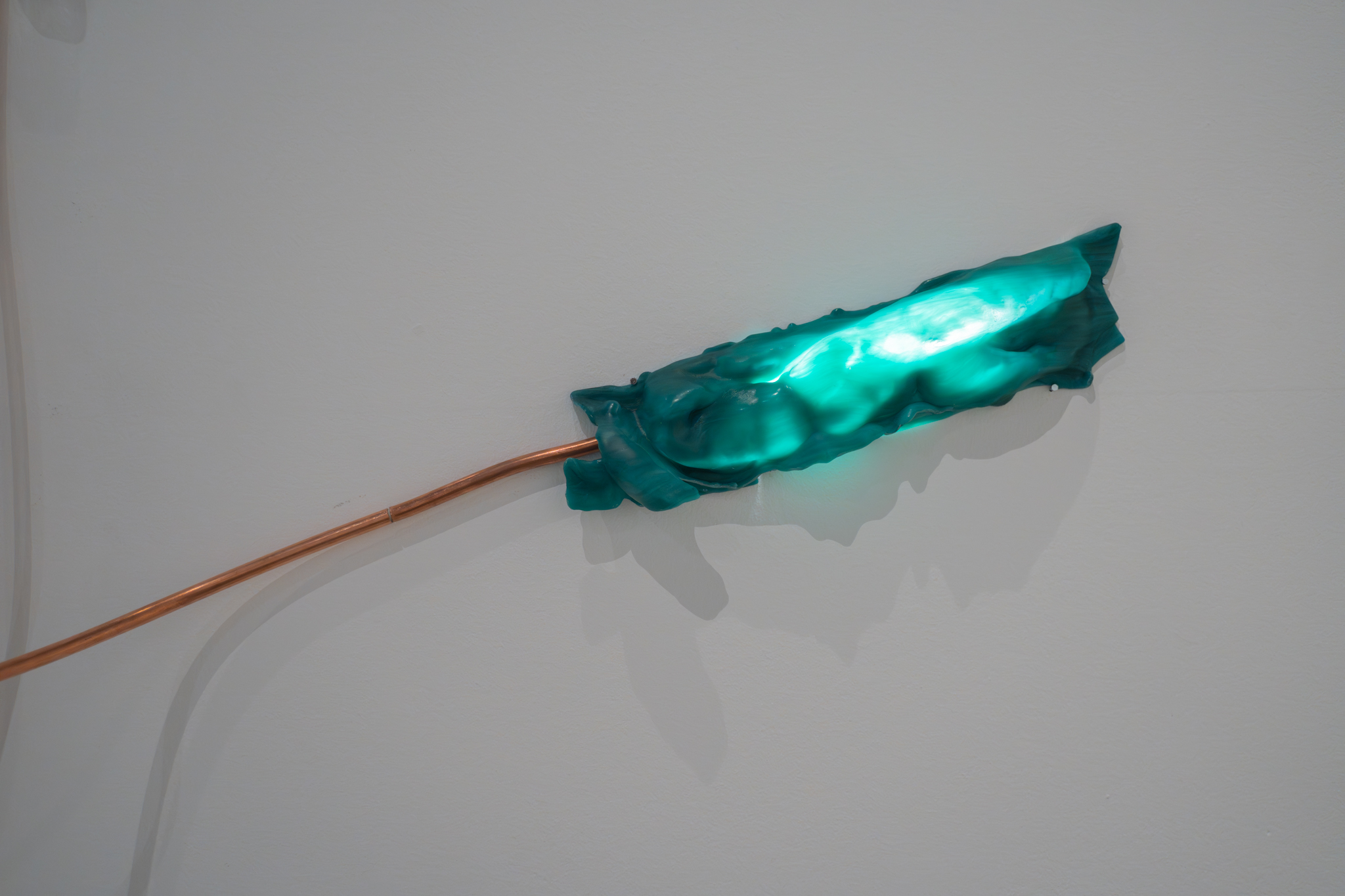
In the installation Neural Bloom, Floriama Candea draws inspiration from the Danube Delta’s floating islands in a state of constant transformation. The work consists of hybrid structures that combine organic and artificial elements and react to the presence of visitors and changes in the surrounding environment. Through sensors and interactive systems, the artist offers an experience that highlights how all forms of life are connected and influence the environment around them.
Pepa Ivanova’s project Eat that Invasion addresses two of the marine environment’s major challenges: invasive species and pollution. Combining video, sculpture, and a speculative cookbook, the artist imagines scenarios in which invasive organisms, waste, and other effects of the ecological crisis become resources for survival. The work invites reflection on how ecosystems and communities adapt to radical changes and conditions in a state of constant transformation.
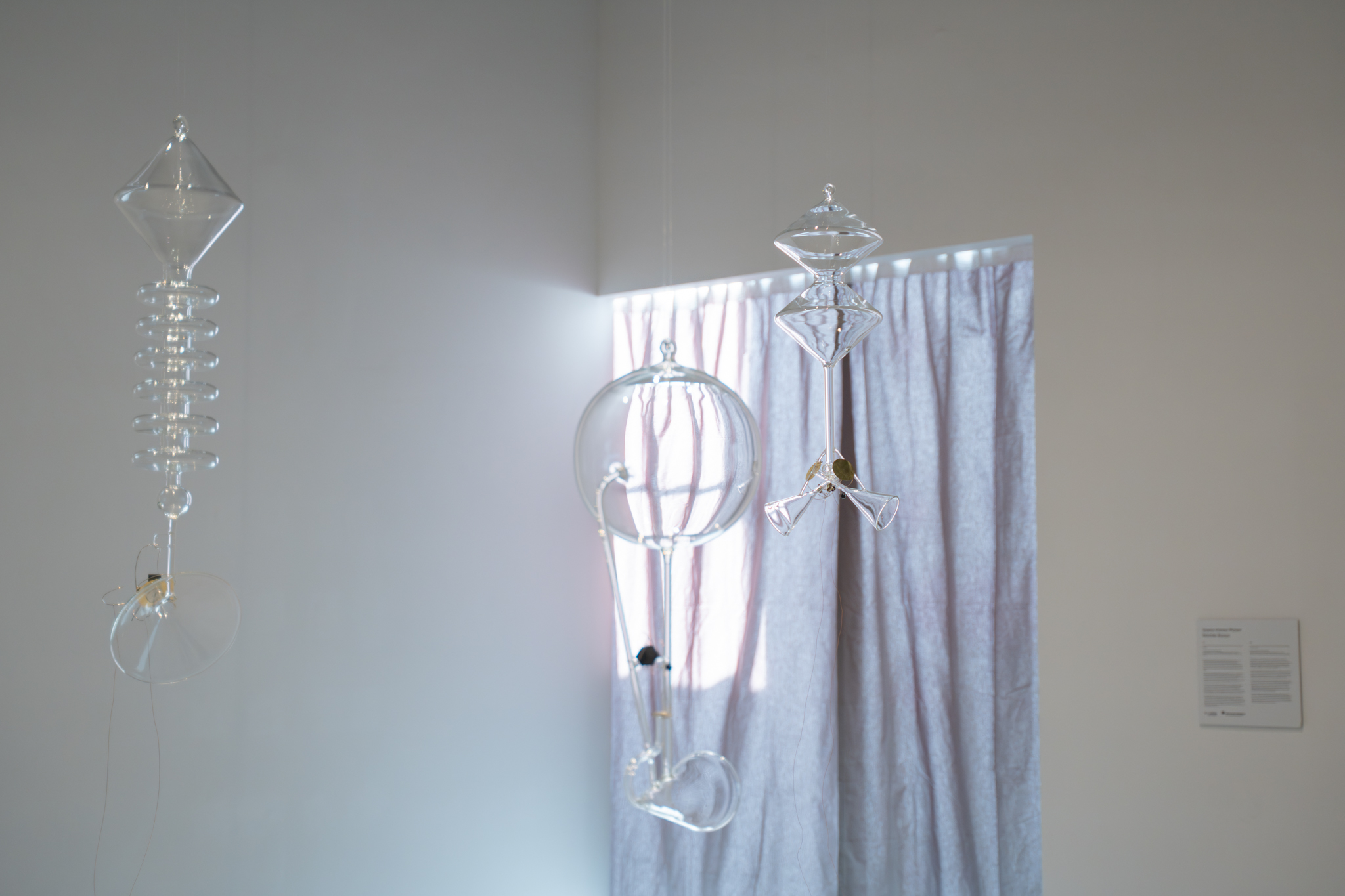
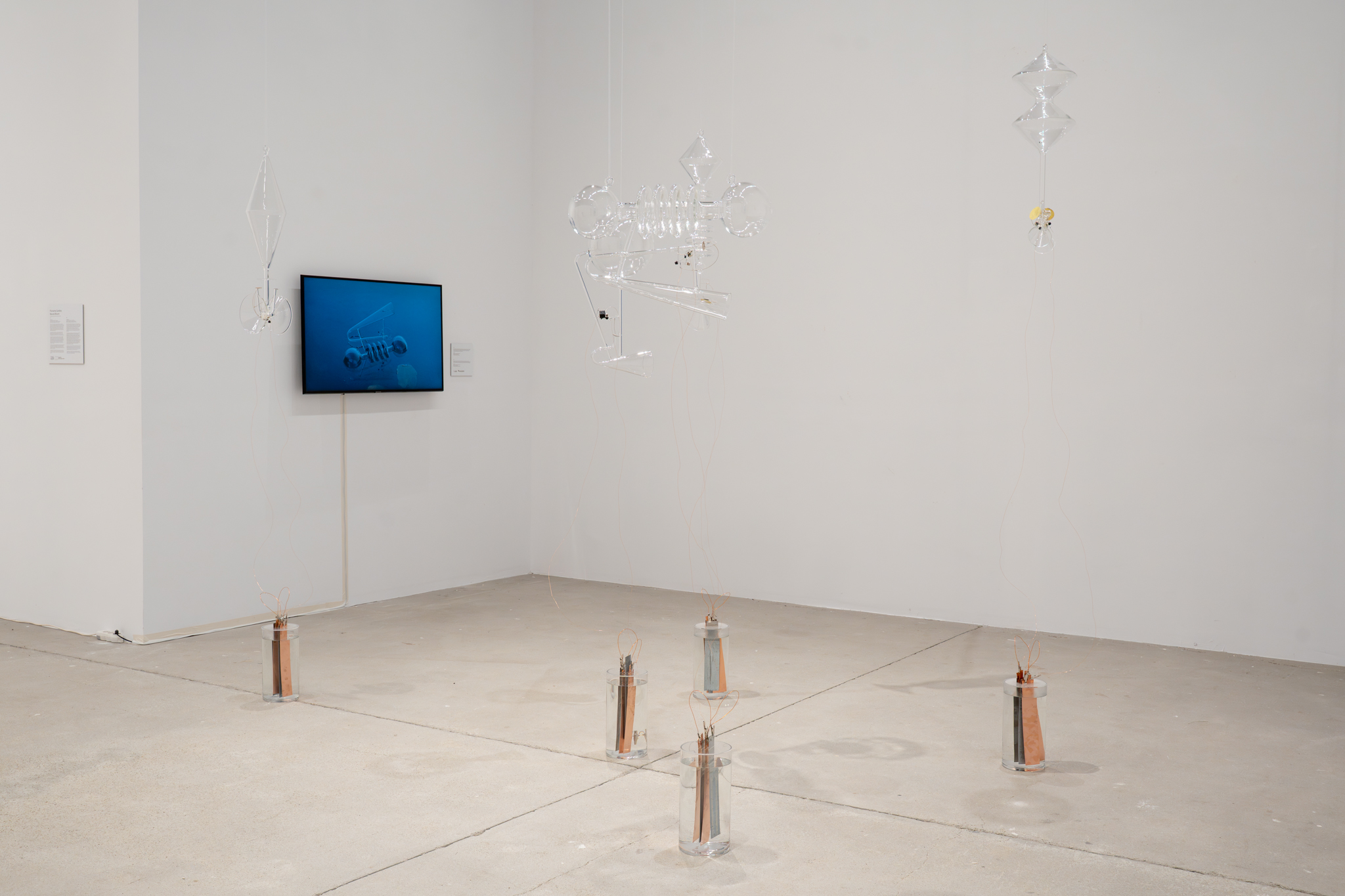
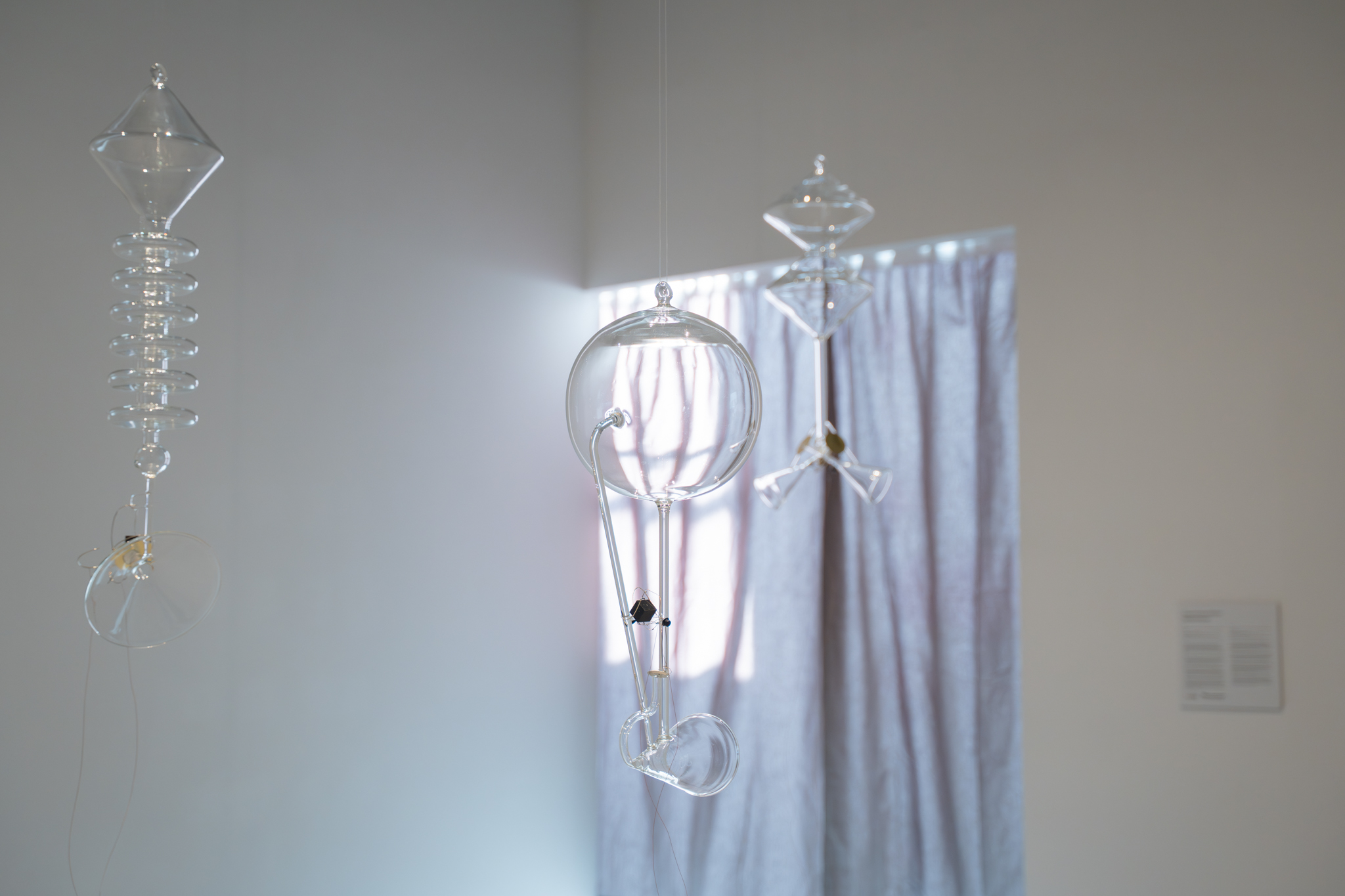
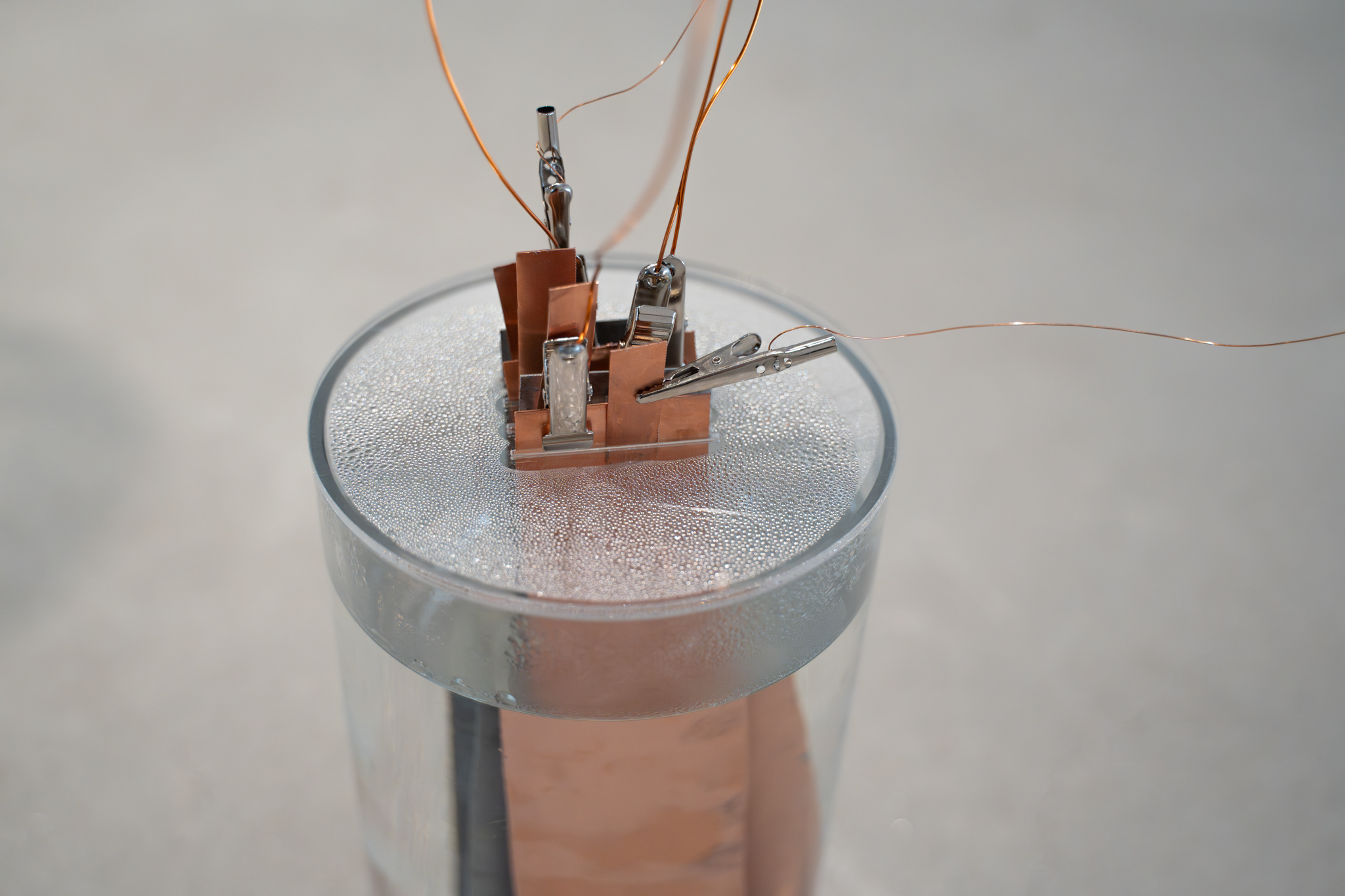
In Warble Buoys, Ioana Vreme Moser traces the invisible path of particles and sediments carried by the Danube to the Black Sea. The artist’s sound sculptures are activated by contact with water and reveal the traces left by human activities on the environment. The work draws attention to how industrial processes and man-made infrastructure influence the water along the entire course of the Danube, from Central Europe to the Black Sea coast.